
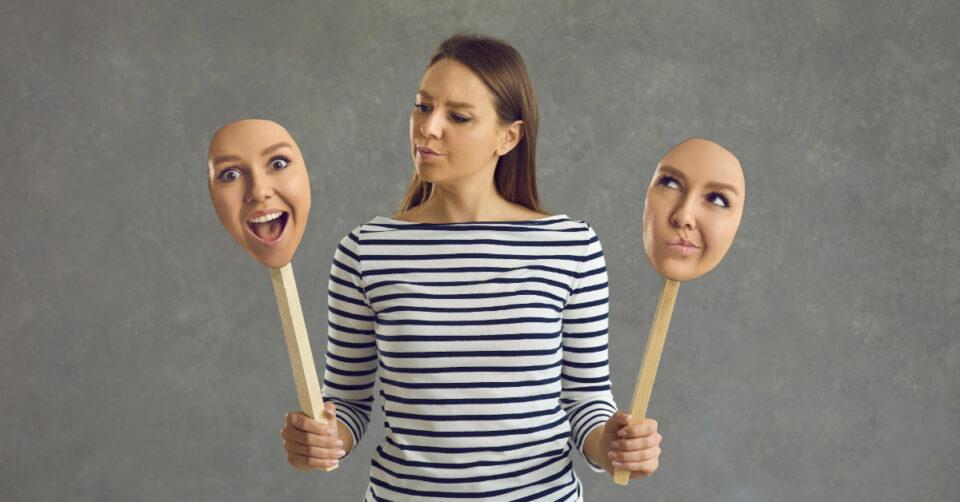
Ever wonder if your preferred Behavior Style can change over time? It’s a question I’ve heard often—and one I’ve wrestled with myself after years of working with teams and leaders.
To be clear, this isn’t about if someone can rotate their iceberg and demonstrate a different behavior pattern because nearly everyone can and does at least some of that. It’s also not about whether someone’s preference might change based on their role or life circumstances. This question is about whether someone’s core preference can change.
Based on all my years of teaching, observing, discussing, and working with Behavior Styles, there’s no simple answer. Let me explain why.
Innate Preferences vs. Learned Behaviors
When my two kids were born, I noticed differences right away. My son seemed to lean left of midline, while my daughter leaned right. That pattern has stayed consistent, which seems to indicate a certain preference is innate.
However, I’ve also met people who show a different Style at work than they do at home. One CHRO I know has a strong Controller preference professionally but a clear Stabilizer preference personally—and he struggles to flip those in opposite environments. I don’t believe anyone is born with a diagonal Style preference, so one of those likely developed later. Experience, environment, and choice can all play a role.
Then there are people who tell me their Style changed as they grew up—often during their teen years or early career. Some even say they’ve moved diagonally, which is quite a shift. One person I recently certified said they were a Stabilizer when younger, but once they started working, they discovered how much more energy they get from Controller and Analyzer behaviors. Now, Stabilizer behavior doesn’t give them much energy at all. That’s just one of many stories like it.
So, here’s my take: some people seem to be born with a Style preference that stays steady throughout life. Others evolve as they learn more about themselves through life and work. (I’m setting aside major life trauma—that’s a different conversation.)
Observing vs. Assessing Behavior
Another interesting pattern I’ve seen is when someone’s observed behavior doesn’t match their assessment results. Sometimes the gap is even a little comical. It often happens when people answer questions based on who they want to be or think they should be. That kind of well-intended “falsification” isn’t helpful—for them or anyone else.
It’s one reason we created the Behavior Style 360. When participants see that others experience them differently from how their Profile Bar Graph looks, it can be an eye-opening moment. For some, it helps them make peace with a preference they’ve been trying not to have.
Have you noticed your own Behavior Style evolve over time? I’d love to hear your experiences in the comments.

My style has not changed, however, the skills I have learned through the Effectiveness Institute have helped me to be more comfortable when suppressing my natural style and choosing to use other styles. This may be partly because as a Controller, I am results-oriented and I am happy when my alternate style generates better results. But I find that while my Controller-Persuader still gives me energy, when I have to do Stabilizer and Analyzer Styles, it is less draining and less difficult.
Thanks for sharing this, Don. You captured so clearly some reasons we offer Behavior Style assessments and training, and it’s rewarding to learn how it’s been helpful for you.